Replace your copper lines.
Keep every device on them working.
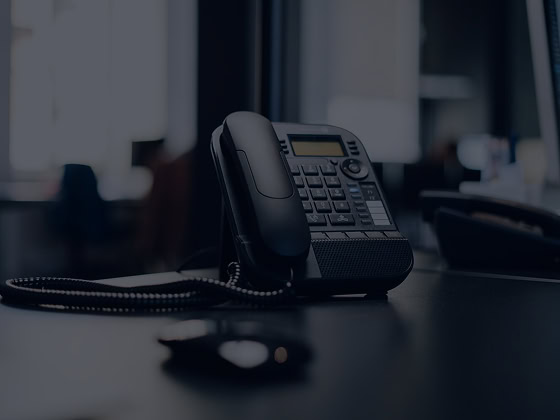
Elevator phones, fire alarm panels, fax machines, and alarm systems still run on analog lines that carriers are retiring and repricing. Intuity moves them to a managed replacement without rewiring, and designs each line to the code it answers to.
These lines rarely ring, but when they do, they have to work.
Elevator emergency phones
The two-way line every elevator car is required to have.
Fire alarm communicators
The connection that carries an alarm signal to the monitoring center.
Security and alarm panels
Burglar, intrusion, and environmental alarms that report over a phone line.
Fax lines
Still required in healthcare, legal, and government workflows.
Gate, door, and call box entry
Entry systems that dial out to a person or a phone tree.
Point-of-sale and ATM lines
Payment terminals that still dial out over analog.[Confirm supported.]
No rewiring.
No new devices to learn.
A managed adapter connects to the device’s existing wiring and carries the line over a monitored network connection, with cellular backup where the device must stay reachable through a power or internet outage. We test every device end to end before the copper line is disconnected, the same parallel testing we use on every migration. [Confirm Intuity’s replacement hardware, cellular backup, and battery runtime with Jay.]
Built to the code each line answers to.
What each device needs to stay compliant after the switch.
Fire alarm communicators
NFPA 72 governs how alarm signals reach the monitoring center. We design the primary path and the backup to what your fire marshal will inspect, and coordinate with your alarm vendor. [Confirm with Jay.]
Elevator emergency phones
Elevator code (ASME A17.1) requires a working two-way emergency line. We keep it working through power and network outages. [Confirm with Jay.]
911 and dispatchable location
Any replacement line that can dial 911 carries the Kari’s Law and RAY BAUM’S Act requirements through.
Backup power and monitoring
Replacement devices include backup power and are monitored, so a failed line is caught before an inspection or an emergency finds it. [Confirm with Jay.]
What is included
Keeps existing wiring
Devices stay where they are and work the way they always have.
Cellular failover
A second path for lines that cannot go quiet. [Confirm.]
Battery backup
Lines stay up through a power outage. [Confirm Runtime.]
Line monitoring and alerts
We know when a line fails, usually before you do.
Number porting
Keep the numbers your monitoring company and elevator vendor already dial.
One bill, every site
Every analog line across every location on one account.
One partner
for every line in the building.
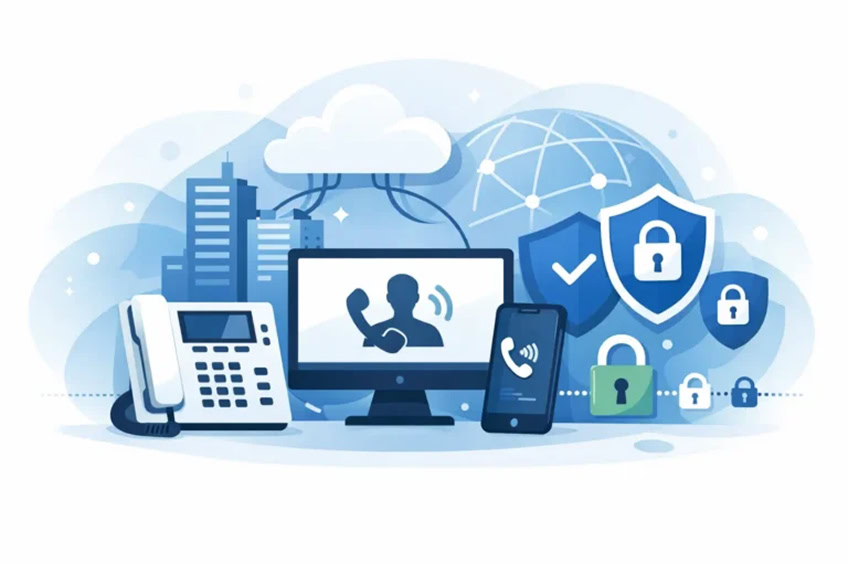
The team that runs your SIP trunks and cloud voice takes the last copper lines off your plate, so every line, business or life safety, is on one monitored network with one number to call.
Switch without downtime
The reason organizations stay on aging phone systems is fear of the cutover. Here is how we remove it.
Network
Assessment
We map your current lines, numbers, and call flows.
Migration Plan
You get a written plan with dates, owners, and a rollback path.
Parallel Testing
The new system runs alongside your old one until it proves itself.
Go Live
Numbers port on schedule. Your callers notice nothing.
24/7 Support
US-based engineers monitor and answer from day one.
POTS stands for plain old telephone service, the analog copper lines. POTS replacement moves the devices on those lines to a managed connection without replacing the devices themselves.
Do we need to rewire or replace equipment?
Usually not. The adapter connects to existing wiring and the device keeps working as it did.
Can we keep our existing numbers?
Yes. Numbers port to the replacement lines, so monitoring centers and vendors dial the same number they always have.
Will our elevator and fire alarm lines stay compliant?
They are designed to. We plan each replacement against the code that device answers to, and coordinate with your alarm vendor and inspector where needed.[Confirm.]
What happens during a power or internet outage?
Replacement lines use backup power and cellular failover so life-safety devices stay reachable. [Confirm runtimes with Jay.]
Will there be downtime?
Each line is tested end to end before the copper is disconnected.
Send us your copper line inventory.
A list of numbers and what each one connects to is enough. We will tell you which lines can move, what each replacement costs, and what you save.
We respond within 1 Business Day
● We respond within 1 Business Day
Request Your Custom Quote
Tell us about your setup and we will build a plan around it.
We never sell your information. See our Privacy Policy.
Why organizations choose Intuity
Encrypted calling with TLS and SRTP, on by default